
Retiring in Southeastern Wisconsin vs. Florida: Comparing Costs, Healthcare, and Lifestyle
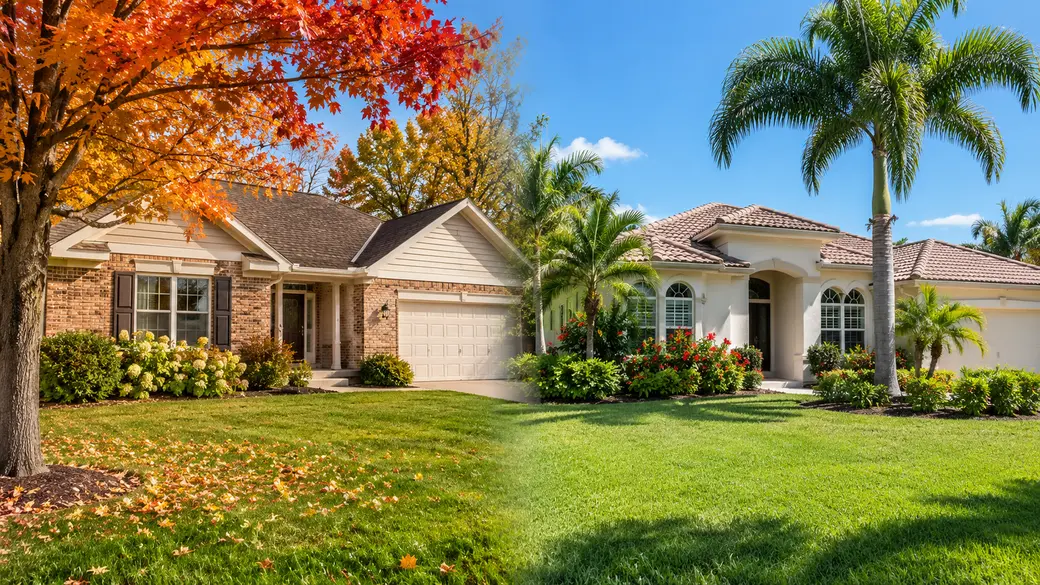
Retiring in Southeastern Wisconsin vs. Florida involves more than choosing between snowy winters and sunny beaches. Housing costs, retirement taxes, healthcare access, insurance, daily activities, and proximity to family can all shape your long-term quality of life. Southeastern Wisconsin offers four-season living, established medical systems, and opportunities to downsize near familiar communities. Florida offers a warmer climate, no personal state income tax, and an extensive selection of retirement-oriented neighborhoods. The better choice depends on how each location supports your financial priorities, everyday routines, and future housing needs.
Southeastern Wisconsin vs. Florida: At a Glance
Southeastern Wisconsin offers a four-season Midwest lifestyle, access to Lake Michigan, established suburban communities, and healthcare networks throughout the Milwaukee metropolitan area. Wisconsin does not tax Social Security benefits, and eligible retirees may qualify for additional retirement-income subtractions. However, cold winters, heating expenses, snow removal, and property taxes should be considered when estimating annual ownership costs.
Florida offers mild winters, warm weather throughout much of the year, no personal state income tax, and numerous active-adult and retirement-oriented communities. However, homeowners should account for hurricane exposure, property insurance, cooling expenses, flood insurance where appropriate, and homeowners association fees. Florida's cost advantages depend heavily on the specific county, property type, and household income.
Who Retires to Southeastern Wisconsin - and Why
Southeastern Wisconsin appeals to retirees who want to simplify their housing needs while maintaining relationships with family, friends, healthcare providers, and familiar communities. Many are longtime Wisconsin residents, former Milwaukee-area homeowners, or people returning to the Midwest to live closer to children and grandchildren.
Lifestyle priorities often include both convenience and recreation. Retirees can choose a condominium, single-level suburban home, golf-oriented community, downtown residence, or property near Lake Michigan. The Milwaukee Art Museum, Milwaukee County parks, public libraries, theaters, and local recreation programs provide activities without requiring residents to live in a resort-style development.
Outdoor recreation remains an important benefit during warmer months. Grant Park in South Milwaukee offers access to Lake Michigan, the Seven Bridges Trail, connections to the Oak Leaf Trail, and an 18-hole golf course. These amenities are highlighted in the City of South Milwaukee's visitor information.
For many retirees, the biggest advantage is continuity. Moving to a smaller or more manageable home can reduce maintenance responsibilities without requiring a complete change in lifestyle, healthcare relationships, or family connections.
Who Retires to Florida - and Why
Florida attracts retirees seeking warmer winters, year-round outdoor activities, and communities designed around recreational and social opportunities. Many buyers are interested in golf, swimming, walking, boating, beaches, and planned neighborhoods with amenities that support an active retirement.
Popular retirement areas include Sarasota, Naples, Fort Myers, Ocala, The Villages, and parts of the Tampa and Orlando metropolitan areas. These locations offer different combinations of housing types, healthcare services, recreational opportunities, and ownership costs. Coastal destinations may provide beach access, while inland communities can offer different housing options and insurance considerations.
Florida's lack of a personal state income tax is another important consideration. Retirees receiving pension distributions, traditional retirement-account withdrawals, or other taxable income may find the state's tax structure attractive. However, the financial benefit should be evaluated alongside property taxes, homeowners insurance, association fees, and other recurring expenses.
For Wisconsin residents considering a permanent move, family distance deserves attention. Flights, extended visits, seasonal travel, and maintaining relationships with relatives in the Midwest can become regular expenses. A retirement destination should support everyday living and personal connections, not simply provide an enjoyable vacation experience.
Side-by-Side Comparison: Southeastern Wisconsin vs. Florida
Comparing retirement in Southeastern Wisconsin and Florida requires looking beyond climate and state income taxes. Wisconsin may appeal to retirees who value established family connections, familiar medical providers, and varied suburban housing options. Florida may appeal to retirees prioritizing warm weather, recreational communities, and the absence of a personal state income tax.
Housing expenses can differ considerably between the two locations. Southeastern Wisconsin homeowners should account for property taxes, winter utilities, and seasonal maintenance. Florida homeowners should evaluate property-specific insurance costs, hurricane and flood exposure, air-conditioning expenses, and applicable association obligations. Florida's homestead exemption and Save Our Homes assessment limitation may benefit qualifying permanent residents, but buyers should verify the projected property-tax bill after a change in ownership.
Healthcare access, neighborhood convenience, and proximity to family should also be compared. A home near major medical facilities and everyday services may be more practical than a property with attractive amenities but a lengthy drive to necessary appointments. The most useful comparison considers two specific homes with similar living space, accessibility, and maintenance requirements rather than relying on statewide averages.
Cost of Living and Retirement Taxes: What the Numbers Mean for Your Budget
Retirement taxes are one of the clearest differences between Wisconsin and Florida. Florida does not impose a personal state income tax, meaning residents generally do not pay Florida income tax on Social Security, pensions, retirement-account distributions, or personal investment income. Federal income taxes may still apply.
Wisconsin also excludes Social Security benefits from state income taxation. However, pensions, traditional retirement-account withdrawals, investment income, and other taxable income may receive different treatment depending on the source and the taxpayer's eligibility for exclusions or subtractions.
Under Wisconsin rules applicable beginning with the 2025 tax year, eligible taxpayers age 67 or older may subtract up to $24,000 of qualifying retirement income. Married couples filing jointly may qualify for a subtraction of up to $48,000 when both spouses meet the age requirement. Claiming this subtraction prevents the taxpayer from claiming certain Wisconsin tax credits for that year. A separate subtraction of up to $5,000 may apply to qualifying taxpayers age 65 or older who meet specified income limits. Details are available through the Wisconsin Department of Revenue.
Florida homeowners may qualify for homestead-related property-tax benefits when the property is their permanent residence and applicable eligibility requirements are met. These benefits can include a homestead exemption and limitations on future assessed-value increases. The Florida Department of Revenue explains these programs and their requirements.
Neither state's tax structure guarantees a lower overall retirement budget. A Wisconsin homeowner with a manageable mortgage, reasonable maintenance expenses, and family nearby may spend less overall than someone purchasing a Florida home with higher insurance and association costs. Conversely, Florida's income-tax treatment may provide a meaningful advantage for households with substantial taxable retirement distributions.
Before making a decision, compare the complete annual costs of the properties under consideration. Include property taxes, homeowners insurance, flood insurance if applicable, utilities, maintenance, association dues, transportation, and family travel. A qualified tax professional can help determine how changing residency would affect your household's actual retirement income.
Healthcare Access: An Honest Assessment
Southeastern Wisconsin provides access to established healthcare networks throughout Milwaukee and the surrounding suburbs. Froedtert & the Medical College of Wisconsin Health Network and Aurora Health Care operate hospitals, clinics, outpatient facilities, and specialty-care locations across the region.
Retirees managing ongoing medical conditions may benefit from maintaining relationships with providers they already know. Established connections with primary-care physicians, specialists, rehabilitation services, and family caregivers can make healthcare coordination more manageable. However, appointment availability, Medicare participation, and travel times should be confirmed for any home being considered.
Florida also has major healthcare systems, including facilities serving the Tampa Bay, Orlando, Jacksonville, Sarasota, and Southwest Florida regions. However, healthcare availability varies considerably by community. A retirement neighborhood may offer excellent recreation amenities while requiring additional travel for certain specialty appointments.
Medicare coverage deserves particular attention when comparing states. Medicare Advantage plans and prescription drug coverage can differ by county, provider network, and plan year. According to Medicare's Special Enrollment Period guidance, moving outside an existing plan's service area may create an opportunity to change coverage. Retirees should confirm current plan rules and provider participation before relocating.
Healthcare planning also extends beyond hospitals. Consider whether a home provides comfortable access to pharmacies, physical therapy, senior services, and family assistance. For households preparing to downsize, the Smart Moves LLC transition-support profile provides an example of the local resources available to help organize a more manageable move.
The Deciding Factor Most Retirees Overlook
Pro-Tip: The most important retirement consideration may be your support network rather than your preferred weather. Think about who can help after a medical appointment, how easily family can visit, and whether your home will remain comfortable if mobility or maintenance needs change. A location that supports independence and dependable relationships can provide lasting value beyond financial or recreational advantages.
Lifestyle and Climate: Day-to-Day Retirement Life
Southeastern Wisconsin provides a four-season retirement lifestyle with warm summers, colorful autumns, cold winters, and opportunities to enjoy spring outdoors. Retirees who appreciate seasonal changes can explore Lake Michigan, local parks, golf courses, farmers markets, community events, and cultural attractions throughout the Milwaukee area.
Walking, biking, gardening, volunteering, and recreational programs can be part of an active retirement. The Oak Leaf Trail network, lakefront parks, community recreation centers, and local arts organizations provide options for different interests and activity levels.
Wisconsin winters require realistic planning. Snow removal, icy sidewalks, winter driving, heating expenses, and reduced daylight can influence daily routines. Choosing a condominium or another lower-maintenance property may help reduce certain outdoor responsibilities, although association services and costs should be reviewed carefully.
Florida generally offers warmer winters and more opportunities for outdoor activities during months when Wisconsin residents may prefer to remain indoors. However, Florida summers can bring substantial heat and humidity, while hurricane season requires preparation and awareness of local risks. Some retirees may prefer indoor activities during the hottest months, just as Wisconsin residents adjust their routines during winter.
Neither climate is universally better. Retirees should consider how comfortably they can manage ordinary errands, outdoor activities, household maintenance, and healthcare appointments during each location's less favorable weather conditions.
Where Retirees Buy: Community Types and Price Ranges
Southeastern Wisconsin and Florida both offer a range of retirement housing choices, but prices depend heavily on location, home size, condition, amenities, and maintenance responsibilities. Broad statewide price averages may not reflect the cost of the actual homes a retiree would consider purchasing.
In Southeastern Wisconsin, communities such as Muskego, New Berlin, Franklin, Greenfield, Brookfield, Oak Creek, and Mukwonago offer traditional ranch homes, condominiums, townhome-style residences, and other housing options suitable for downsizing. Buyers looking to reduce exterior responsibilities can explore housing options that combine main-floor living with fewer maintenance demands before deciding which property type best fits their retirement plans.
Golf-oriented neighborhoods and larger-lot suburban homes may appeal to retirees who want room for hobbies, gardening, or visiting family. Downtown and near-downtown condominiums can offer convenient access to restaurants, cultural attractions, and other services. Lakefront properties may provide attractive scenery, although insurance, building condition, and maintenance responsibilities should be evaluated individually.
Florida offers active-adult developments, golf communities, coastal condominiums, single-family homes, and independent-living residences. A property in an inland retirement community may have very different recurring expenses from a coastal condominium. Buyers should review association fees, insurance coverage, building reserves, special assessments, storm-related risks, and maintenance obligations.
For an accurate price comparison, request current listings and recent comparable sales in the specific communities under consideration. Review the full expected ownership costs instead of assuming that a lower purchase price or smaller home automatically results in a more affordable retirement.
Retirement Community Types: Southeastern Wisconsin vs. Florida
Retirement housing in Southeastern Wisconsin includes ranch-style homes, condominiums, patio homes, golf-oriented neighborhoods, urban residences, and senior-living communities. Many lower-maintenance properties are located within established suburban neighborhoods, allowing retirees to remain connected to familiar businesses, healthcare services, and family members.
Florida has an extensive selection of age-restricted and active-adult communities, including developments with clubhouses, pools, fitness centers, golf facilities, social activities, and organized events. However, amenities and association responsibilities vary by community, and some developments may have additional membership costs or restrictions.
When evaluating either location, consider ownership structure, age restrictions, accessibility, monthly assessments, reserve funding, and the availability of future care. A condominium association may handle landscaping and snow removal in Wisconsin, while a Florida community may provide grounds maintenance and recreational amenities. Buyers should confirm precisely what their recurring fees cover.
For retirees prioritizing long-term convenience, features such as a main-floor bedroom, accessible bathroom, manageable entryway, nearby parking, and reduced exterior maintenance may be more valuable than an extensive amenities package. The right community should fit daily needs as well as anticipated changes over time.
Questions to Ask Before You Decide
- Can my retirement budget comfortably cover the home, property taxes, insurance, utilities, association fees, and maintenance in either state?
- How much would I save or spend differently under Wisconsin and Florida retirement-income tax rules?
- How close do I want to be to children, grandchildren, longtime friends, or a preferred airport?
- Would I prefer Southeastern Wisconsin's four seasons or Florida's warmer winters and hotter summers?
- How far am I willing to travel for primary care, specialists, pharmacies, and hospital services?
- Do I want an active-adult community, a quieter neighborhood, or a balance of both?
- Will the property remain practical if I want less maintenance or greater accessibility in the future?
- Have I compared actual homeowners insurance quotes, property-tax estimates, and association obligations for the homes I am considering?
Ready to Explore Retirement Living in Southeastern Wisconsin?
Choosing where to retire involves balancing housing costs, healthcare access, lifestyle preferences, and the people who matter most. If Southeastern Wisconsin remains part of your retirement plans, Mike Schuch of Homestead Realty Inc. can help you evaluate downsizing opportunities, single-level homes, and lower-maintenance properties in Muskego, New Berlin, Franklin, Oak Creek, Mukwonago, Brookfield, Greenfield, Greendale, Elm Grove, Big Bend, and Sussex.
For additional guidance on planning your next chapter, watch Mike Schuch's YouTube video and explore considerations that can help you make a more informed move.
Whether you are staying in Wisconsin, returning from another state, or comparing local housing options, connect with Mike Schuch through HomeFinderWisconsin or call 262-366-4600 for a practical, no-pressure conversation about your retirement plans.
Frequently Asked Questions
Is Southeastern Wisconsin a good place to retire compared with Florida?
Southeastern Wisconsin can be an excellent retirement option for people who value family proximity, four-season recreation, established healthcare systems, and varied housing choices. Florida may be more appealing to retirees seeking warmer winters, active-adult communities, and no personal state income tax. The best location depends on individual finances, lifestyle preferences, and long-term support needs.
How do the costs of retiring in Southeastern Wisconsin vs. Florida compare?
Retirement costs vary by home, community, and household. Southeastern Wisconsin homeowners should consider property taxes, heating expenses, and winter maintenance. Florida homeowners should evaluate property taxes, homeowners insurance, flood exposure, cooling costs, and association fees. Comparing actual properties and complete annual expenses provides a more reliable answer than comparing statewide averages alone.
Which destination has better healthcare for retirees?
Both Southeastern Wisconsin and Florida have major healthcare systems, but access depends on the specific community and medical needs. Southeastern Wisconsin offers established Milwaukee-area hospital networks, while Florida has healthcare facilities throughout its major metropolitan and retirement regions. Retirees should compare nearby providers, specialty services, Medicare coverage, and appointment availability before relocating.
What are the tax advantages of retiring in Southeastern Wisconsin?
Wisconsin does not tax Social Security benefits. Eligible taxpayers age 67 or older may qualify for a retirement-income subtraction of up to $24,000, or up to $48,000 for married couples filing jointly when both spouses qualify, subject to applicable rules. Other retirement income may remain taxable. Florida does not impose personal state income tax, so a qualified tax professional should review which structure is more favorable for your situation.
Can I afford to retire in Southeastern Wisconsin on a fixed income?
Retiring in Southeastern Wisconsin on a fixed income may be manageable when housing expenses align with available retirement income and savings. Downsizing to a smaller ranch home, condominium, or lower-maintenance property may help reduce some recurring expenses. Buyers should still account for property taxes, insurance, utilities, association fees, and future maintenance before deciding on a comfortable price range.
Categories
Recent Posts