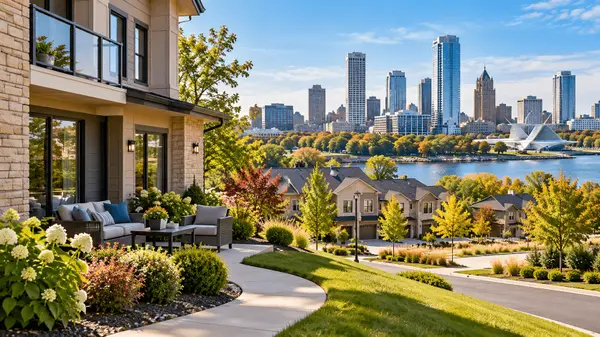
Southeastern Wisconsin 55+ Communities: Amenities & Price Comparison
Southeastern Wisconsin 55+ communities are easiest to compare when you look beyond the purchase price and focus on monthly obligations, maintenance coverage, and daily lifestyle. For seniors and downsizers in Muskego, New Berlin, Franklin, Oak Creek, Mukwonago, Brookfield, Greenfield, Greendale, Elm Grove, Big Bend, and Sussex, the right fit depends on the home’s rules, association services, and long-term costs. This guide explains how to compare age-qualified options with confidence before scheduling tours or reviewing HOA documents.
What Counts as a 55+ Community?
A community marketed as 55+ may qualify for the federal Housing for Older Persons Act exemption, but buyers should confirm the current governing documents and occupancy policies.
- Under the federal 55-or-older exemption, at least 80% of occupied homes must include at least one resident age 55 or older. The community must also show an intent to operate as 55+ housing and maintain age-verification procedures. (24 CFR Part 100, Subpart E)
- An age-restricted community has written occupancy rules. An age-targeted community may appeal to older buyers without using a formal 55+ exemption.
- HOA dues are ownership costs for a home, townhome, or condominium. They differ from independent-living charges that can bundle housing, meals, programming, and services.
- The declaration, rules, and resale documents matter more than a listing description when confirming age requirements.
Southeastern Wisconsin 55+ Communities Market Snapshot - 2026
Southeastern Wisconsin 55+ communities offer a mix of formal age-qualified housing, maintenance-oriented condominiums, and attached-home options rather than one uniform active-adult market.
- Community formats: Buyers may find attached homes, condominium residences, smaller single-family homes, and age-targeted developments with different ownership structures.
- Home pricing: Values vary by municipality, condition, floor plan, garage space, maintenance coverage, and whether a home is part of a formal 55+ association.
- Monthly fees: HOA obligations can range from limited common-area maintenance to broader arrangements that include landscaping, snow removal, exterior coverage, or shared amenities.
- Market timing: A ranch condo, an attached home, and a larger specialty residence can attract different buyer pools, so each listing should be evaluated on its own terms.
The 55+ Communities in Southeastern Wisconsin: An Overview
Southeastern Wisconsin 55+ communities are generally smaller and more association-focused than the large master-planned active-adult developments found in warmer retirement markets. Buyers often encounter age-qualified residences alongside conventional condominium and attached-home communities that appeal to downsizers but do not necessarily have formal age restrictions.
The practical search area spans established suburbs and smaller communities throughout the region. In the Pewaukee area, for example, some attached-home and condominium associations may appeal to downsizers, but each property’s occupancy rules, dues, maintenance coverage, and amenities should be confirmed through current association documents.
Most local options fall into a few broad categories. Attached homes and condominiums can provide lower-maintenance living through shared exterior responsibilities. Smaller single-family homes may offer more private space while still operating under HOA rules. Communities with extensive amenity clubs, golf facilities, resort-style pools, or dedicated pickleball complexes are less common than practical associations centered on lawn care, snow removal, and common-area upkeep.
When reviewing MLS listing search options, compare the home itself with its association documents. A suitable floor plan is important, but the community’s rules, reserve planning, services, and recurring costs often determine whether the move truly supports your retirement goals.
55+ Communities in Southeastern Wisconsin: Amenities & Price at a Glance
A useful comparison begins with the individual home, its association disclosures, and its current property-tax record. Across Southeastern Wisconsin, the most meaningful price-and-fee comparison is usually between specific listings with similar home types, maintenance responsibilities, and locations.
For each community under consideration, compare the asking price, HOA dues, annual tax bill, insurance responsibilities, exterior-maintenance coverage, age policy, and access to common amenities. A ranch condominium or attached home may provide a low-maintenance lifestyle without offering the same age restrictions, activity programming, or shared facilities as a formal 55+ community.
Breaking Down the Amenities: What's Standard and What's a Bonus
The most common benefit in Southeastern Wisconsin 55+ housing is maintenance support, especially landscaping, snow removal, common-area care, and selected exterior responsibilities. For many downsizers, these practical services are more valuable than a resort-style clubhouse because they reduce seasonal work and make travel easier.
Clubhouses, meeting rooms, walking paths, fitness rooms, and resident activities may be available, but they should never be assumed from a listing headline. A buyer who wants a pool, pickleball courts, golf access, an arts studio, a dog-focused amenity, or an on-site restaurant should confirm that the feature is owned by the association, available to residents, and funded through regular dues rather than separate charges.
In this market, the standout feature may be a clear maintenance structure rather than a large amenity campus. Snow removal is particularly important in Southeastern Wisconsin. Ask whether sidewalks, driveways, roofs, landscaping, and exterior repairs are managed by the association or remain the homeowner’s responsibility.
Paying a higher monthly fee can be worthwhile when it replaces services, work, or future maintenance expenses you would otherwise manage independently. The best amenities are the ones you expect to use regularly, not simply the longest list in a brochure.
Understanding the True Cost: HOA Fees, Taxes, and What's Included
The true cost of a Southeastern Wisconsin 55+ home includes the mortgage payment, HOA dues, property taxes, insurance, utilities, and maintenance duties that stay with the owner. A lower purchase price does not automatically mean a lower monthly commitment.
HOA fees may cover landscaping, snow removal, common-area upkeep, master insurance, and selected exterior work. They may exclude windows, roofs, driveways, private utilities, interior repairs, appliances, cable service, and an owner’s individual insurance policy. The association budget, declaration, insurance summary, and resale documents should identify the current division of responsibility.
Property taxes are separate from association dues, so compare parcel-specific tax bills rather than relying on a community-wide estimate. Wisconsin’s homestead credit is income-based, and eligibility depends on the applicable tax-year rules. The Wisconsin Department of Revenue 2025 Schedule H-EZ instructions explain filing requirements and income considerations for that tax year.
Also review one-time charges before making an offer. Transfer fees, move-in deposits, document fees, capital contributions, and special assessments may appear in association records. Ask who pays each charge, whether it is refundable, and whether planned projects could affect future dues.
Pro-Tip: The Number That Matters More Than the Sale Price
Pro-Tip: Compare the mortgage, HOA dues, property taxes, insurance, and remaining maintenance together, because the lower-priced home is not always the lower-cost choice each month.
Total Monthly Cost Comparison: Southeastern Wisconsin 55+ Communities vs. Nearby Markets
An all-in monthly comparison works best when every home is evaluated using the same expense categories and financing assumptions. Start with the purchase price and estimated mortgage payment, then add the listed HOA dues, parcel-specific taxes, insurance quote, utility responsibilities, and recurring services not covered by the association.
For a Southeastern Wisconsin ownership community, the key question is what the HOA replaces. If dues cover lawn care, snow removal, exterior repairs, or common insurance, compare those inclusions with the costs and time you would carry in a conventional neighborhood. A service-oriented living arrangement should be evaluated separately because meals, transportation, programming, or wellness services may be included in its monthly charge.
A mortgage calculator can help you test different purchase prices and down-payment scenarios. The final comparison should rely on the actual home, current association documents, tax record, and insurance estimate.
Lifestyle Fit: Matching the Right Community to Your Retirement Goals
The right Southeastern Wisconsin 55+ community depends on the lifestyle you want and the responsibilities you are ready to keep after moving.
The social buyer should look for documented gathering spaces, resident activities, walking areas, and nearby services that support regular connection. Confirm whether activities are association-sponsored, open to all residents, and paid through dues or separate event charges.
The lock-and-leave buyer may prefer an attached home or condominium with clearly defined landscaping, snow-removal, and exterior-maintenance duties. This arrangement can work well for downsizers who travel, visit family, or simply want fewer seasonal projects.
The buyer who wants more privacy may favor a ranch-style home, attached residence, or smaller single-family property with an HOA that reduces outdoor work. In that case, review pet policies, guest rules, outdoor-use restrictions, and architectural guidelines alongside the floor plan.
The budget-conscious downsizer should begin with recurring costs instead of square footage. A smaller home with predictable maintenance responsibilities may leave more room for travel, hobbies, family visits, and savings. Buyers planning a complex move can also explore move-management support for senior transitions while coordinating the housing side of their transition.
Key Questions to Ask Before You Buy in a 55+ Community
The best questions before buying in a 55+ community focus on the rules, reserves, and obligations that continue after closing.
- What do the HOA dues cover today, and which maintenance expenses remain the homeowner’s responsibility?
- How much does the association hold in reserves, and are fee increases, major repairs, or special assessments under discussion?
- How does the community verify age status, and what occupancy rules apply to a younger spouse or household member?
- What written policies govern overnight guests, extended family visits, and grandchildren staying in the home?
- Are pets permitted, and do the rules limit breed, size, quantity, registration, or access to common areas?
- Can the home be rented, and could rental restrictions affect future flexibility or resale?
In Southeastern Wisconsin, winter maintenance deserves special attention. Ask whether the association handles sidewalks, driveways, roofs, landscaping, and exterior repairs, or whether those responsibilities remain with the homeowner. Read current meeting materials, budgets, rules, and resale documents rather than relying on a verbal tour summary.
Ready to Find Your 55+ Community in Southeastern Wisconsin?
Finding the right 55+ community or active-adult home in Southeastern Wisconsin is about more than choosing a smaller space, it’s about finding a lifestyle that offers comfort, convenience, and long-term peace of mind. Whether you're exploring ranch-style condos, low-maintenance townhomes, or active-adult communities, Mike Schuch of Homestead Realty Inc. provides personalized real estate guidance to help you compare floor plans, HOA fees, community amenities, and overall ownership costs.
Planning a move into your next chapter? Explore Trusted Transitions – Episode 3, Segment 2 for additional insights into navigating life transitions and preparing for a smoother move.
Mike proudly serves buyers throughout Southeastern Wisconsin, including Muskego, New Berlin, Franklin, Oak Creek, Mukwonago, Brookfield, Greenfield, Greendale, Elm Grove, Big Bend, and Sussex.
Ready to explore 55+ communities, senior-friendly condos, or low-maintenance homes? Call or text Mike Schuch at (262) 366-4600 for a friendly, no-pressure conversation about finding a home that aligns with your lifestyle, budget, and future plans.
Frequently Asked Questions
How many 55+ communities are there in Southeastern Wisconsin?
Southeastern Wisconsin includes a limited mix of formal 55+ communities, age-targeted developments, and maintenance-oriented associations that appeal to downsizers. The useful count depends on whether you include only communities with formal occupancy requirements or also include conventional associations with suitable home types.
What is the average price of a home in a Southeastern Wisconsin 55+ community?
There is no single average that reliably represents the region’s varied ownership options. Price depends on municipality, condition, square footage, attached or detached design, association coverage, tax obligations, and whether the community has formal age restrictions.
What amenities do Southeastern Wisconsin 55+ communities typically include?
Maintenance support is often the most practical feature, including landscaping, snow removal, common-area care, and selected exterior responsibilities. Some communities also offer gathering spaces, walking areas, fitness opportunities, or resident activities, although those features vary by association.
Are there age restrictions - can a younger spouse or family member live there?
A federal 55-or-older exemption generally requires at least 80% of occupied homes to include one resident age 55 or older, plus policies and age-verification procedures that support the community’s intended status. A younger spouse or family member may be permitted, but the controlling answer is in the community’s current occupancy and guest rules.
How do HOA fees in Southeastern Wisconsin 55+ communities compare to regular neighbourhoods?
HOA fees can be higher than those in a conventional neighborhood when they cover snow removal, landscaping, exterior maintenance, insurance components, or shared amenities. The better comparison is what the dues replace, since a higher payment may reduce separate upkeep costs and homeowner workload.
Categories
Recent Posts