Retiring in Southeastern Wisconsin: Is It the Right Move?

Retiring in Southeastern Wisconsin can be a practical choice for people who want established healthcare, four distinct seasons, and housing that ranges from low-maintenance condos to quieter suburban homes. The tradeoffs are equally clear: winter mobility and property taxes need a place in the plan. For seniors and downsizers, the strongest fit usually comes down to daily access to care, errands, social connections, and the level of home maintenance they want to keep.
Retiring in Southeastern Wisconsin - Retirement Overview
- Property taxes: Wisconsin’s average effective property-tax rate on owner-occupied homes is 1.32%, so annual tax bills deserve a place in retirement budgeting.
- Social Security: Wisconsin does not tax Social Security benefits on the state income-tax return (Wisconsin Department of Revenue).
- Healthcare hub: Froedtert Hospital in Milwaukee provides regional specialty and trauma care, with hospital quality details available through CMS Medicare Care Compare.
- Climate: Four-season Great Lakes weather, with warm summers and cold, snowy winters.
- Lifestyle: Lake Michigan access, public trails, cultural venues, and established downtown districts support an active routine.
Southeastern Wisconsin by the Numbers
Southeastern Wisconsin is not one uniform retirement market, so a single median home price, cost-of-living figure, or resident age can hide meaningful differences between communities. The region includes Milwaukee, Waukesha, Racine, Kenosha, Ozaukee, Washington, and Walworth Counties (Southeastern Wisconsin Regional Planning Commission).
For retirement planning, the most useful numbers are property-specific: purchase price or rent, monthly association dues, utility history, estimated property taxes, and the distance to healthcare and regular errands. A smaller home may reduce upkeep, but the total budget should still account for insurance, snow removal, transportation, and services needed over time.
Why Retirees Choose Southeastern Wisconsin
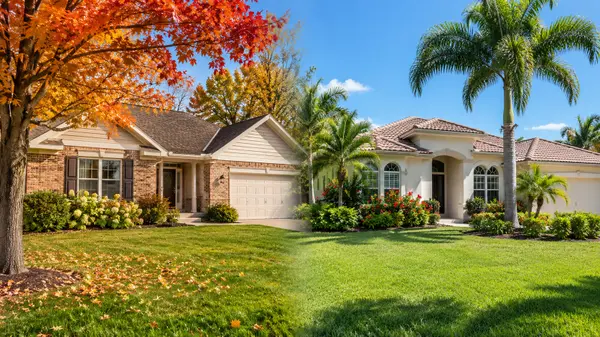
Southeastern Wisconsin is a strong fit for retirees who want city-level services without living in a dense urban setting. The region’s seven counties provide a broad choice of daily environments, from Lake Michigan communities and established suburbs to walkable neighborhoods with restaurants, libraries, parks, and healthcare offices.
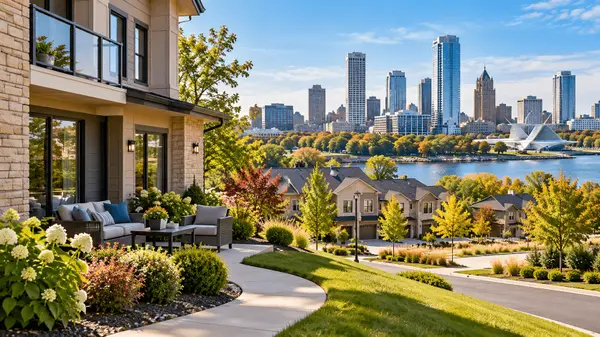
The appeal is practical. Lake Michigan provides shoreline walks, public beaches, and scenic drives, while the Oak Leaf Trail connects parkland and neighborhoods around Milwaukee County. Boerner Botanical Gardens offers a seasonal outdoor destination, and Milwaukee’s museums, performing-arts venues, dining districts, and sporting events create reliable indoor options when weather limits outdoor plans.
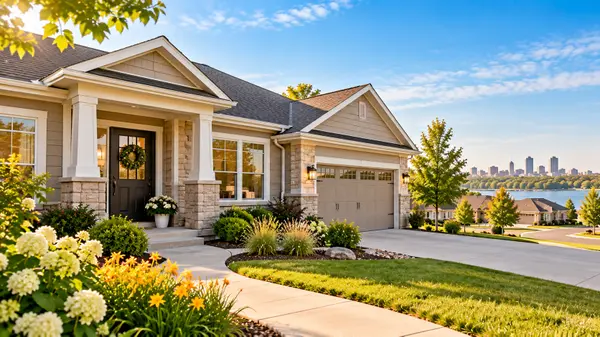
Many retirees value the ability to remain close to family while changing how they live. A condo, townhome, or smaller ranch home can reduce exterior maintenance without giving up familiar stores, physicians, and community activities. A helpful local perspective on coordinating the moving side of a transition is available in this Southeastern Wisconsin move-management discussion.
For downsizers, the best community is often the one that makes an ordinary Tuesday easier: a manageable home, a short drive to appointments, and activities that remain available throughout the year.
Retiring in Southeastern Wisconsin - Cost of Living
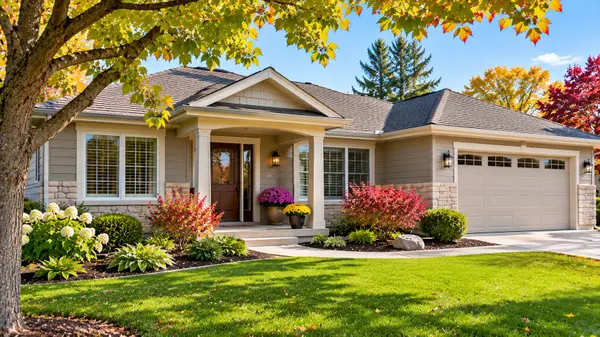
Retiring in Southeastern Wisconsin can be manageable on a fixed income when housing, taxes, transportation, and healthcare are considered as one household budget. Housing is the largest variable. A condominium or townhome may lower yard and exterior-maintenance responsibilities, while a detached home can provide more privacy and space but may require a larger reserve for repairs, landscaping, heating, and snow removal.
Groceries are easier to control when a home is near routine shopping. Pick ’n Save, Metro Market, ALDI, Meijer, and other local stores offer different price points and formats across the region. A location that reduces frequent driving can also make fuel, parking, and time costs more predictable.
Utility planning matters because winter heating can be substantial. Before choosing a home, review prior utility bills, the age and condition of the heating system, insulation, and the cost of snow-removal service. Transportation costs can rise when medical offices, pharmacies, family, and preferred activities are spread far apart.
Healthcare costs are personal rather than regional. Medicare premiums, supplemental coverage, prescription needs, provider networks, and out-of-pocket costs should be reviewed alongside the housing budget before a move.
For homeowners considering downsizing as part of retirement, the equity built in their current home can play an important role in planning the next move. Comparing estimated sale proceeds with the purchase price, property taxes, maintenance, and monthly expenses of a smaller home can help clarify the financial picture. Explore our guide to using your existing home equity for a smaller home in Southeastern Wisconsin to understand how your current property may support your retirement housing goals.
Cost of Living: Southeastern Wisconsin vs Nearby Areas
Southeastern Wisconsin offers more retirement-budget flexibility than a single-market comparison suggests because costs vary substantially by county, municipality, property type, and access to services.
| Area | Overall cost context | Housing pattern | Retirement budget consideration |
|---|---|---|---|
| Southeastern Wisconsin | Varies by community and housing type | Condos, townhomes, ranch homes, apartments, and single-family homes | Wisconsin’s average effective owner-occupied property-tax rate is 1.32% |
| Milwaukee County | More urban services and transit access | Condos, apartments, smaller homes, and city neighborhoods | Median gross rent was $1,101 in the 2020–2024 Census estimates |
| Waukesha County | Suburban and exurban choices | Townhomes, condos, ranch homes, and planned communities | Compare association dues against exterior-maintenance savings |
| National average | Broad planning benchmark | Housing and taxes vary widely by location | A personal monthly budget is more useful than a national comparison |
Sources: U.S. Census Bureau, 2020–2024 American Community Survey estimates; Wisconsin statewide property-tax data, 2026.
Retirement Income & Taxes in Southeastern Wisconsin
Wisconsin offers a meaningful tax advantage for many retirees because Social Security benefits are exempt from Wisconsin income tax. That can reduce the state-tax impact for households whose retirement income combines Social Security with savings withdrawals or other income.
Other retirement income needs more individual review. Wisconsin Department of Revenue guidance indicates that IRA distributions and payments from retirement plans, pension plans, annuity contracts, and similar plans received while a person is a Wisconsin resident may be taxable. Wisconsin also uses graduated individual income-tax rates, so the amount and timing of withdrawals can affect a household’s annual tax picture.
Property taxes remain a significant local cost. Qualifying homeowners who use a property as their primary residence may receive the Lottery and Gaming Credit, which appears as a reduction on the property-tax bill. Eligibility and certification rules apply, so buyers should confirm the credit after establishing primary residence.
Wisconsin does not impose a state estate tax or inheritance tax. Federal estate-planning rules, ownership arrangements, residency, and personal circumstances can still matter. A tax professional can help retirees evaluate how a home purchase, a sale, or a larger retirement-account withdrawal fits into their own plan.
Tax Snapshot for Retirees
- Social Security: Wisconsin exempts Social Security benefits from state income tax.
- Retirement withdrawals: IRA, pension, annuity, and similar retirement-plan distributions may be taxable for Wisconsin residents.
- Property-tax credit: Qualifying owner-occupants may receive the Lottery and Gaming Credit on their primary-residence tax bill.
- Estate taxes: Wisconsin has no separate state estate tax or inheritance tax.
Healthcare in Southeastern Wisconsin
Healthcare access is a regional strength, particularly for retirees who choose a home within a practical drive of Milwaukee or a larger suburban community. Froedtert Hospital, at 9200 W. Wisconsin Avenue in Milwaukee, is a major regional facility with specialty services and adult Level I trauma care. From central Southeastern Wisconsin, travel time varies by community, but Milwaukee-area facilities are generally most convenient for residents of Milwaukee County and nearby suburbs.
CMS Care Compare provides quality information for Froedtert Memorial Lutheran Hospital, allowing households to review available measures alongside their own physicians, insurance network, and care priorities. The region also has primary-care offices, pharmacies, rehabilitation providers, and clinics serving Medicare patients.
Access is not identical throughout the region. Retirees in lower-density or farther-out communities may face longer drives for specialists, advanced testing, and complex procedures. Winter weather can add time to those trips, particularly after snow or ice. Before selecting a neighborhood, confirm whether preferred physicians participate in your Medicare plan and identify nearby urgent-care options.
Where Retirees Live in Southeastern Wisconsin
Retirees tend to choose Southeastern Wisconsin communities based on maintenance needs, proximity to healthcare, walkability, and family connections rather than one universal best location.
Muskego suits retirees who want a suburban environment with lakes, parks, and everyday services nearby. Ranch homes, condominiums, and townhomes can appeal to active couples who want room for visitors while limiting yard work. Buyers can compare Muskego’s housing setting with their routine needs.
New Berlin and Brookfield appeal to downsizers who want established neighborhoods, shopping, restaurants, and convenient routes toward Milwaukee-area medical care. Lower-maintenance condos and smaller single-family homes can work for people who want an easier daily routine without moving into a dense city environment.
Greenfield and Greendale offer access to retail services, community activities, and Milwaukee-area cultural destinations. These communities can fit single retirees or couples who value shorter drives for groceries, appointments, and social plans.
Lake-oriented and quieter suburban communities can suit snowbirds, active retirees, and households prioritizing outdoor access or privacy. The right housing type depends on whether the priority is one-level living, a lock-and-leave condominium, a walkable location, or room for visiting family. Association rules, snow-removal arrangements, and future maintenance obligations deserve close attention before purchasing.
Climate & Lifestyle: What Daily Life Actually Looks Like
Daily life in Southeastern Wisconsin follows a true four-season climate, with warm summers and cold winters that require realistic planning for snow, ice, heating, and transportation. Milwaukee’s official 1991–2020 climate normals provide a useful long-term reference for regional seasonal temperatures and precipitation patterns (National Weather Service Milwaukee/Sullivan).
Summer and early fall support lakefront walks, golf, trails, farmers markets, and local festivals. Lake Michigan offers waterfront scenery and recreation, while the Oak Leaf Trail provides a well-known route for walking and cycling. Boerner Botanical Gardens gives residents another seasonal outdoor destination, and Milwaukee’s arts, museums, libraries, restaurants, and performance venues provide year-round indoor choices.
Winter is the main lifestyle consideration for older adults. Retirees who want to stay active should prioritize safe walkways, reliable snow removal, garage access, nearby groceries, and activities that do not require long drives during difficult weather.
Pro-Tip: Test-drive a winter week before committing to Southeastern Wisconsin, because snow removal, safe entryways, and short drives matter as much as summer scenery.
Ready to Explore Retiring in Southeastern Wisconsin?
Finding the right home for retirement means balancing comfort, maintenance, healthcare access, and long-term affordability. Mike Schuch of Homestead Realty Inc. helps retirees and downsizers explore ranch homes, condos, and low-maintenance communities across Muskego, New Berlin, Franklin, Oak Creek, Mukwonago, Brookfield, Greenfield, Greendale, Elm Grove, Big Bend, Sussex and more.
For more helpful insights on planning your next chapter, explore Mike's Trusted Transitions retirement and downsizing episode or watch the discussion on YouTube.
Ready to take the next step? Call or text (262) 366-4600 for a friendly, no-pressure conversation about finding a home that fits your retirement goals.
Frequently Asked Questions
Is Southeastern Wisconsin a good place to retire?
It can be a good retirement destination for people who value healthcare access, four-season recreation, cultural amenities, and varied housing settings. It is best suited to households prepared to budget for property taxes and plan around winter driving and mobility.
How affordable is Southeastern Wisconsin on a fixed retirement income?
A fixed-income budget can work when housing, property taxes, transportation, utilities, and Medicare-related expenses are planned together. Choosing a smaller home or condo near routine errands and medical care can make monthly costs easier to predict.
Is healthcare access adequate in Southeastern Wisconsin for retirees?
The region provides substantial medical access, especially around Milwaukee and its larger suburbs. Froedtert Hospital is a major regional option for specialty and trauma care, while clinics, pharmacies, and rehabilitation services support routine needs across many communities.
What are the property tax and retirement income tax benefits in this state?
Wisconsin excludes Social Security benefits from state income tax and does not levy a separate state estate or inheritance tax. Qualifying primary-residence owners may receive the Lottery and Gaming Credit, although taxable retirement-account withdrawals and local property taxes still need to be included in the budget.
What types of housing are available for retirees in Southeastern Wisconsin?
Housing choices include condos, townhomes, ranch homes, apartments, smaller detached homes, and properties in walkable or lake-oriented settings. The best fit depends on maintenance preferences, one-level living needs, and desired access to services.
What is the social and lifestyle scene like for retirees in Southeastern Wisconsin?
Retirees can build routines around parks, trails, waterfront areas, gardens, libraries, cultural venues, dining districts, and local events. Choosing a home near both indoor and outdoor activities is particularly useful when winter weather limits travel.
Categories
Recent Posts